

What Is a Sleep Environment?
A sleep environment refers to the physical conditions of the space where you sleep and how those conditions influence your ability to fall asleep, stay asleep, and wake up feeling rested. It includes elements such as light, noise, temperature, air quality, bedding, and the overall atmosphere of the bedroom. Together, these factors create signals that either support or interfere with the body’s natural sleep processes.
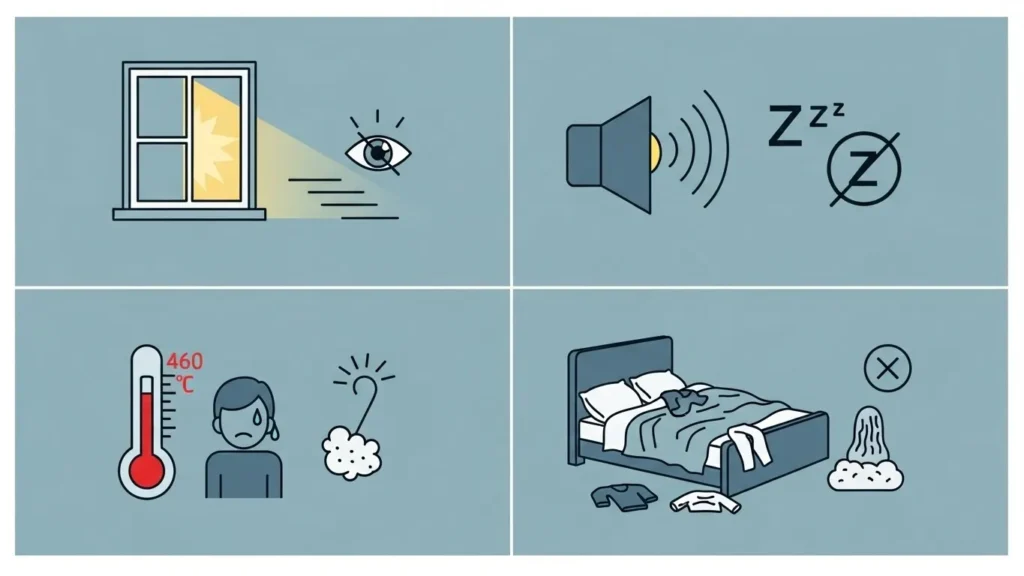
The brain constantly scans the environment for cues related to safety and comfort. When the bedroom feels calm, dark, quiet, and comfortable, the nervous system is more likely to shift into a relaxed state that allows sleep to occur naturally. In contrast, environments that are bright, noisy, cluttered, or uncomfortable can keep the brain alert, even when the body is physically tired.
A sleep environment is not just about comfort—it also plays a biological role. Light exposure affects melatonin production, temperature influences the body’s ability to cool down for sleep, and noise can trigger micro-awakenings that fragment rest. Even subtle environmental factors, such as an uncomfortable mattress or stale air, can reduce sleep quality over time without being immediately obvious.
Many people underestimate the importance of their sleep environment because they focus primarily on sleep habits or schedules. However, even the best routines can fall short if the bedroom itself works against sleep. A supportive environment acts as a foundation, making healthy sleep habits more effective and easier to maintain.
Understanding what a sleep environment is helps shift the focus from forcing sleep to creating conditions that allow sleep to happen naturally. Before addressing more complex sleep issues, evaluating and improving the bedroom environment is often one of the simplest and most impactful steps toward better sleep quality.

Why Your Sleep Environment Matters
Your sleep environment matters because it directly influences how easily your body and mind transition into sleep and how well that sleep is maintained throughout the night. Even small environmental factors can send powerful signals to the brain, either encouraging rest or triggering alertness. When the bedroom supports relaxation, sleep feels more natural and restorative.
The body is biologically programmed to respond to its surroundings. Darkness signals the brain to release melatonin, quiet reduces sensory stimulation, and comfortable temperatures help the body cool down—an essential step for initiating sleep. When these conditions are present, the nervous system can shift from a state of alertness to one of rest. If they are absent, the brain may remain partially alert, making sleep lighter and more fragmented.
A poor sleep environment often leads to frequent micro-awakenings. These brief interruptions may not be remembered in the morning, but they disrupt deeper sleep stages that are critical for physical recovery, memory consolidation, and emotional balance. Over time, this can result in waking up feeling tired, even after spending enough hours in bed.
Sleep environment also affects consistency. When the bedroom reliably signals “sleep,” falling asleep becomes faster and more predictable. In contrast, environments associated with noise, light, discomfort, or stress weaken this association, making sleep timing and quality less stable.
Many people attempt to fix sleep problems by changing routines or schedules while overlooking the bedroom itself. However, without a supportive sleep environment, these efforts often fall short. Improving the space where you sleep creates a strong foundation, allowing healthy sleep habits and schedules to work more effectively and leading to lasting improvements in sleep quality.
How Light Affects Sleep Quality
Light is one of the most powerful environmental factors influencing sleep quality. The human body uses light as a primary signal to regulate the sleep-wake cycle, and exposure at the wrong times can significantly interfere with the ability to fall asleep and stay asleep. Even subtle changes in lighting can alter how the brain prepares for rest.
Natural light plays a critical role during the day. Exposure to daylight, especially in the morning, helps reinforce alertness and sets the internal clock for the rest of the day. This daytime light exposure makes it easier for the body to recognize nighttime as a period for rest. When daytime light exposure is limited, sleep timing and quality can become less stable.
At night, darkness becomes essential. When light levels decrease, the brain releases melatonin, a hormone that signals sleep readiness. Artificial light in the evening—particularly bright or cool-toned light—can suppress melatonin production. This delay makes it harder to feel sleepy at bedtime and can push sleep timing later, even if you are physically tired.
Light exposure during sleep can also disrupt sleep quality. Streetlights, electronic displays, or even small light sources in the bedroom can cause micro-awakenings and reduce time spent in deeper sleep stages. These interruptions may not fully wake you, but they fragment sleep and reduce its restorative value.
Understanding how light affects sleep quality highlights the importance of managing both daytime and nighttime light exposure. Prioritizing bright light during the day and minimizing light at night creates a clear contrast that supports healthy sleep patterns and allows the body to rest more deeply and consistently.
Artificial Light, Screens, and Sleep Disruption
Artificial light and screen exposure have become major disruptors of modern sleep environments. While electric lighting and digital devices offer convenience and productivity, their use during the evening hours can interfere with the body’s natural preparation for sleep. The timing, intensity, and type of light all influence how the brain interprets whether it is time to be awake or asleep.
Screens from phones, tablets, computers, and televisions emit a high amount of blue light. This type of light closely resembles daylight and strongly suppresses melatonin production. When melatonin release is delayed, the body remains in a more alert state, making it harder to feel sleepy at bedtime. Even relatively short periods of screen use in the evening can shift sleep timing later and reduce overall sleep quality.
Beyond the light itself, screens increase mental stimulation. Social media, messages, work emails, and streaming content keep the brain engaged and emotionally reactive. This cognitive arousal can persist after devices are turned off, leading to racing thoughts and difficulty relaxing in bed. As a result, sleep onset may be delayed even when the bedroom is otherwise quiet and comfortable.
Artificial lighting in the home can have a similar effect. Bright overhead lights or cool-toned bulbs used late at night send wakefulness signals to the brain. Over time, this consistent evening light exposure weakens the association between darkness and sleep, making it harder to maintain a regular sleep routine.
Reducing sleep disruption from artificial light does not require eliminating technology entirely. Dimming lights in the evening, using warmer lighting, limiting screen use before bed, and creating clear boundaries around device use in the bedroom all help restore the natural signals that support healthy, restorative sleep.
Noise and Its Impact on Sleep
Noise is one of the most underestimated factors in the sleep environment, yet it can have a powerful effect on sleep quality. Even when noise does not fully wake you, it can trigger brief arousals that interrupt deeper stages of sleep. Over time, these disruptions reduce how restorative sleep feels and increase daytime fatigue.
The brain remains responsive to sound during sleep as a protective mechanism. Sudden or unpredictable noises—such as traffic, voices, doors closing, or electronic alerts—are more likely to cause micro-awakenings. These brief awakenings may not be remembered in the morning, but they fragment sleep cycles and reduce time spent in deep and REM sleep stages.
Consistent background noise can also interfere with sleep. Low-level sounds, such as humming appliances or distant traffic, may seem harmless but can still increase nighttime alertness. For some people, this constant stimulation prevents the brain from fully disengaging, leading to lighter sleep and more frequent awakenings.
Noise sensitivity varies from person to person. What one individual can easily sleep through may be highly disruptive to another. Stress and fatigue can further increase sensitivity, making noise more likely to disrupt sleep during already challenging periods.
Managing noise is an important part of creating a supportive sleep environment. Reducing external noise sources, using soundproofing measures, or introducing consistent, neutral background sounds can help stabilize sleep. When the bedroom is quiet and predictable, the brain feels safer and more relaxed, allowing sleep to become deeper, more continuous, and more restorative over the course of the night.

Bedroom Temperature and Sleep Comfort
Bedroom temperature plays a crucial role in sleep comfort and overall sleep quality. The body naturally cools down as it prepares for sleep, and a bedroom that supports this process makes it easier to fall asleep and stay asleep throughout the night. When the sleeping environment is too warm or too cold, this natural transition can be disrupted.
As sleep begins, core body temperature gradually decreases. This cooling signal helps initiate deeper stages of sleep. If the bedroom is excessively warm, the body struggles to release heat, leading to restlessness, sweating, and frequent awakenings. Many people who wake up during the night without an obvious reason are actually responding to temperature discomfort.
A bedroom that is too cold can also interfere with sleep. While cooler temperatures generally support better sleep, extreme cold may cause muscle tension, shivering, or discomfort that prevents relaxation. The key is balance—cool enough to support the body’s natural temperature drop, but warm enough to remain comfortable and relaxed.
Temperature preferences vary between individuals, but most people sleep best in a slightly cool environment. Bedding choices, sleepwear, and airflow all influence how temperature is experienced during the night. Heavy blankets or poor ventilation can trap heat, while breathable materials help regulate body temperature more effectively.
Adjusting bedroom temperature is one of the simplest ways to improve sleep comfort. Lowering the thermostat slightly at night, using layered bedding, and ensuring proper airflow can make a noticeable difference. When the bedroom supports the body’s natural cooling process, sleep becomes deeper, less interrupted, and more restorative.
The Role of Bedding and Mattress in Sleep Quality
Bedding and mattress choice play a central role in sleep quality because they directly affect comfort, body support, and temperature regulation throughout the night. Even when other elements of the sleep environment are optimized, an unsuitable mattress or poor bedding can undermine sleep by causing discomfort, pressure points, or overheating.
A mattress provides the foundation for spinal alignment and pressure relief. When a mattress is too firm or too soft for an individual’s body type and sleep position, it can lead to muscle tension and joint discomfort. This discomfort often results in frequent position changes and micro-awakenings that fragment sleep. Over time, poor support may contribute to back pain, neck stiffness, or chronic soreness that further interferes with restful sleep.
Bedding materials also influence sleep comfort. Sheets, blankets, and pillows affect how heat and moisture are managed during the night. Breathable fabrics help regulate body temperature by allowing heat and humidity to escape, while heavy or non-breathable materials can trap warmth and cause overheating. Temperature discomfort is a common reason people wake up during the night without realizing the cause.
Pillows deserve special attention because they support the head and neck. An unsuitable pillow height or firmness can strain the neck and shoulders, disrupting relaxation and increasing nighttime movement. Matching pillow type to sleep position—such as side, back, or stomach sleeping—helps maintain proper alignment and reduces discomfort.
Improving sleep quality often requires evaluating bedding and mattress condition. Worn-out mattresses, flattened pillows, or outdated bedding can quietly degrade sleep over time. Choosing supportive, comfortable materials tailored to individual needs creates a more stable and restorative sleep environment, allowing the body to relax fully and sleep more deeply throughout the night.

How Bedroom Clutter Affects Sleep
Bedroom clutter can have a subtle but significant impact on sleep quality. While clutter may seem like a purely visual or organizational issue, it directly affects how the brain perceives the sleep environment. A crowded or disorganized bedroom can send signals of stress and unfinished tasks, making it harder for the mind to relax and transition into sleep.
The brain associates environments with specific behaviors. When a bedroom is filled with piles of clothes, work materials, or random objects, it can feel less like a place for rest and more like an extension of daily responsibilities. This association increases mental alertness at bedtime, leading to racing thoughts or difficulty winding down, even when the body is physically tired.
Clutter can also contribute to sensory overstimulation. Visual noise, such as messy surfaces or overflowing storage areas, keeps the brain engaged. During the day this stimulation may go unnoticed, but at night it can interfere with relaxation. For people who are already prone to stress or anxiety, cluttered surroundings may amplify these feelings and further disrupt sleep.
In addition, clutter can affect sleep indirectly by interfering with other aspects of the sleep environment. Items blocking airflow, covering light sources, or limiting access to windows can reduce comfort and air quality. Clutter may also make cleaning more difficult, allowing dust or allergens to accumulate and affect breathing during sleep.
Creating a calmer sleep environment does not require perfection. Simple steps, such as clearing bedside tables, organizing visible surfaces, and removing non-sleep-related items from the bedroom, can make a noticeable difference. When the bedroom feels orderly and intentional, it sends a clear signal to the brain that it is a space for rest, supporting deeper and more restorative sleep.

Air Quality and Sleep Health
Air quality is an often-overlooked component of the sleep environment, yet it plays an important role in sleep comfort and overall sleep health. The air you breathe throughout the night can influence breathing patterns, congestion, and even how deeply you sleep. Poor air quality may quietly disrupt sleep without causing obvious symptoms during the night.
During sleep, breathing becomes slower and more regular. If the air is stale, dry, or filled with irritants such as dust, allergens, or pollutants, the respiratory system may become irritated. This can lead to nasal congestion, coughing, dry throat, or shallow breathing, all of which increase the likelihood of micro-awakenings and lighter sleep.
Humidity levels are another key factor. Air that is too dry can dry out nasal passages and airways, making breathing uncomfortable. On the other hand, overly humid air can promote mold growth and dust mites, both of which can trigger allergies or respiratory discomfort. Either extreme can interfere with sleep continuity and reduce sleep quality.
Ventilation also affects air quality. Bedrooms that lack fresh airflow may accumulate carbon dioxide and odors, creating an environment that feels heavy or stuffy. While these conditions may not fully wake you, they can subtly increase restlessness and reduce the restorative value of sleep.
Improving air quality does not require complex solutions. Regularly ventilating the bedroom, keeping bedding clean, reducing dust buildup, and maintaining balanced humidity levels can make a noticeable difference. When the air in the sleep environment is clean, fresh, and comfortable, the body can breathe more easily, relax more fully, and sustain deeper, more restorative sleep throughout the night.
Bedroom Colors and Sleep Psychology
Bedroom colors influence sleep more than many people realize because color directly affects mood, perception, and emotional state. The brain responds to color cues subconsciously, and these responses can either support relaxation or increase alertness. When bedroom colors are poorly chosen, they may interfere with the ability to unwind at night and achieve restful sleep.
Cool, muted colors are generally associated with calmness and relaxation. Shades of blue, soft gray, beige, and muted green tend to lower arousal and promote a sense of tranquility. These colors can help signal to the brain that the bedroom is a safe, restful space, making it easier to transition into sleep. Lighter tones can also make the room feel more open and peaceful, reducing feelings of confinement or stress.
In contrast, bright or intense colors may increase stimulation. Strong reds, vivid oranges, and high-contrast patterns can raise alertness and emotional intensity. While these colors may work well in active areas of the home, they can be counterproductive in a sleep environment. Exposure to visually stimulating colors at night may subtly delay relaxation and increase mental activity at bedtime.
Color psychology also interacts with lighting. A color that feels calming during the day may appear harsher under artificial light at night. Warm lighting combined with soft, neutral wall colors usually creates the most sleep-friendly atmosphere. Glossy finishes or highly reflective surfaces can further amplify light and visual stimulation, making the bedroom feel less restful.
Choosing bedroom colors does not require a complete redesign. Small changes—such as neutral bedding, curtains, or accent walls—can shift the overall tone of the space. When colors support relaxation rather than stimulation, the bedroom becomes more aligned with the body’s natural need for rest, contributing to better sleep quality and a more restorative sleep environment.
Creating a Dark Sleep Environment
Creating a dark sleep environment is one of the most effective ways to support deep, restorative sleep. Darkness signals the brain that it is time to rest, triggering the release of melatonin and helping the body transition smoothly into sleep. Even small amounts of light can interfere with this process, making darkness a critical component of a healthy sleep environment.
The human brain is highly sensitive to light during the night. Exposure to light while sleeping—even from sources that seem minor, such as streetlights, electronic indicators, or hallway lighting—can reduce melatonin production and cause micro-awakenings. These disruptions may not fully wake you, but they fragment sleep and reduce time spent in deeper sleep stages.
Light exposure before bedtime also affects how dark the environment feels during sleep. Bright lights used in the evening delay the body’s perception of nighttime, making it harder to feel sleepy. Creating a gradual transition to darkness by dimming lights in the hours before bed helps prepare the brain for rest and improves sleep onset.
Practical steps can significantly improve bedroom darkness. Using blackout curtains or shades blocks external light sources, while covering or removing electronic lights reduces unnecessary illumination. Warm, low-intensity lighting in the evening further supports the body’s natural rhythm.
Darkness should feel safe and comfortable, not disorienting. Maintaining a consistent bedroom layout and minimizing sudden light exposure during the night helps the brain remain relaxed. When the sleep environment is consistently dark, the body receives a clear signal that nighttime is for rest, supporting deeper sleep, fewer awakenings, and improved overall sleep quality.
How to Reduce Noise for Better Sleep
Reducing noise is essential for creating a sleep environment that supports deep, uninterrupted rest. Because the brain remains sensitive to sound during sleep, minimizing disruptive noises helps prevent micro-awakenings and allows sleep cycles to progress naturally. Even when noises do not fully wake you, reducing their presence can significantly improve sleep quality.
The first step in noise reduction is identifying the main sources of disturbance. Common bedroom noise sources include traffic, neighbors, household appliances, pets, and electronic notifications. Some noises are sudden and unpredictable, while others are constant but subtle. Sudden sounds tend to be more disruptive, as they trigger alert responses in the brain.
Soundproofing measures can help reduce external noise. Simple solutions such as sealing gaps around doors and windows, using heavier curtains, or adding rugs and soft furnishings can absorb sound and reduce echo. These changes not only lower noise levels but also make the bedroom feel quieter and more enclosed.
For noises that cannot be eliminated, sound masking can be effective. Consistent, neutral background sounds—such as a fan or soft ambient noise—can help block sudden disturbances. Unlike unpredictable noise, steady sounds are less likely to trigger awakenings because the brain adapts to them more easily.
Establishing quiet routines before bed is also important. Lowering household noise in the evening, silencing notifications, and creating clear boundaries around bedroom activities reinforce the association between the bedroom and rest. When the sleep environment becomes consistently quiet and predictable, the brain feels safer and more relaxed, supporting deeper sleep and fewer nighttime interruptions.

Optimizing Bedroom Temperature Naturally
Optimizing bedroom temperature naturally is an effective way to improve sleep quality without relying heavily on mechanical systems. The body’s ability to cool down is closely linked to sleep onset and depth, and natural temperature regulation supports this process in a more consistent and comfortable way.
One of the most effective natural strategies is managing airflow. Opening windows when outdoor conditions allow, using cross-ventilation, or positioning fans to circulate air rather than blow directly on the body can help release trapped heat. Proper airflow prevents the bedroom from becoming stuffy and supports a steady, comfortable sleeping temperature throughout the night.
Bedding choices also play a major role in natural temperature regulation. Breathable materials such as cotton, linen, or bamboo allow heat and moisture to escape, reducing overheating. Layering blankets instead of using a single heavy covering makes it easier to adjust warmth without disturbing sleep. Sleepwear made from lightweight, breathable fabrics further supports thermal comfort.
Daily habits can influence nighttime temperature as well. Physical activity earlier in the day helps regulate body temperature, while heavy meals or intense exercise late at night can increase heat production and delay cooling. A warm shower taken one to two hours before bed can actually promote cooling afterward, helping signal the body that it is time to sleep.
Environmental factors outside the bedroom matter too. Closing curtains during hot days to block sunlight, reducing heat-generating electronics, and maintaining consistent evening routines all help stabilize bedroom temperature. When temperature is optimized naturally, the body can cool down efficiently, making sleep deeper, more continuous, and more restorative.
Sleep Environment for Different Sleep Problems
Different sleep problems often require different adjustments to the sleep environment. While general improvements such as reducing light and noise benefit almost everyone, certain sleep issues are more sensitive to specific environmental factors. Understanding these relationships helps tailor the bedroom setup to individual sleep needs.
For people who struggle with insomnia, creating a calm and predictable sleep environment is especially important. Darkness, quiet, and a comfortable temperature help reduce hyperarousal, a common feature of insomnia. Removing stimulating elements from the bedroom, such as work materials or electronic devices, strengthens the association between the bed and sleep rather than wakefulness.
Those who experience frequent nighttime awakenings may benefit most from addressing noise, light, and temperature fluctuations. Sudden sounds, light exposure from outside, or changes in room temperature can trigger awakenings even if they do not fully disrupt sleep. Stabilizing these elements helps maintain deeper sleep stages throughout the night.
Individuals with circadian rhythm-related sleep problems often need to focus on light exposure. Bright light during the day and minimal light at night reinforce proper sleep timing. Aligning the sleep environment with the body’s internal clock can make it easier to fall asleep and wake up at consistent times.
For people with breathing-related sleep issues, such as snoring or nasal congestion, air quality becomes a priority. Clean, well-ventilated air and appropriate humidity levels support easier breathing and more comfortable sleep.
Adapting the sleep environment to specific sleep problems allows improvements to be more targeted and effective. Rather than applying the same changes to everyone, identifying which environmental factors matter most for each issue leads to better sleep outcomes and more sustainable long-term improvements.
Common Bedroom Mistakes That Hurt Sleep
Many sleep problems persist not because of complex health issues, but because of common bedroom mistakes that quietly undermine sleep quality. These errors often go unnoticed because they become part of everyday routine, yet they can significantly interfere with the body’s ability to relax and sustain deep sleep.
One of the most frequent mistakes is using the bedroom for activities unrelated to sleep. Working, watching television, scrolling on phones, or eating in bed blurs the mental association between the bedroom and rest. When the brain links the bed with stimulation or stress, it becomes harder to unwind at night, even when physically tired.
Another common issue is excessive light exposure. Bright overhead lighting, uncovered windows, or glowing electronics can disrupt melatonin production and delay sleep onset. Many people underestimate how sensitive the brain is to light at night, assuming small sources do not matter when they can, in fact, fragment sleep.
Poor temperature management is also a widespread mistake. Bedrooms that are too warm, poorly ventilated, or filled with heat-trapping bedding can prevent the body from cooling naturally. This often leads to restlessness, sweating, and frequent awakenings throughout the night.
Neglecting noise control is another factor. Allowing unpredictable sounds from traffic, devices, or other rooms can trigger repeated micro-awakenings. Even if these awakenings are not remembered, they reduce the depth and continuity of sleep.
Finally, clutter and discomfort are often overlooked. Messy surroundings, worn-out mattresses, or unsuitable pillows create subtle stress and physical strain. Addressing these common bedroom mistakes can remove hidden barriers to sleep, making other sleep-improvement efforts far more effective and sustainable.

How to Improve Your Sleep Environment Step by Step
Improving your sleep environment is most effective when approached step by step rather than all at once. Making gradual, intentional changes allows you to identify which adjustments have the greatest impact on your sleep and helps prevent overwhelm. Small improvements, when combined, can lead to meaningful and lasting gains in sleep quality.
The first step is to evaluate the bedroom through a sleep-focused lens. Observe light sources, noise levels, temperature, and overall comfort during the evening and throughout the night. Noticing what feels disruptive—such as light leaking through curtains or sounds from outside—provides clear direction for improvement. Addressing the most obvious disturbances first often yields immediate benefits.
Next, focus on creating a calm and consistent atmosphere. Reducing clutter, removing non-sleep-related items, and simplifying the bedroom layout help reinforce the association between the space and rest. The goal is not perfection, but intentional design that supports relaxation and minimizes mental stimulation.
Once the basic environment is stabilized, fine-tuning comfort becomes important. Adjust bedding, pillows, and airflow to support physical relaxation and temperature regulation. These changes may require experimentation, as comfort preferences vary from person to person. Paying attention to how the body feels upon waking can guide further adjustments.
Finally, reinforce the improved environment through consistent routines. Using the bedroom primarily for sleep, dimming lights in the evening, and maintaining predictable pre-sleep habits strengthen the signals that prepare the body for rest. Improving a sleep environment is an ongoing process, but when approached step by step, it becomes manageable, effective, and sustainable over the long term.
When Environment Changes Aren’t Enough
Improving the sleep environment can significantly enhance sleep quality, but there are situations where environmental changes alone are not enough. Some people carefully optimize light, noise, temperature, and comfort yet continue to struggle with falling asleep, staying asleep, or feeling rested. In these cases, other underlying factors may be limiting the benefits of a well-designed sleep environment.
One common reason is the presence of ongoing sleep disorders. Conditions such as chronic insomnia, sleep apnea, or restless sleep patterns can disrupt sleep regardless of how supportive the bedroom is. While a healthy sleep environment can reduce strain and improve comfort, it cannot fully resolve these conditions on its own. Persistent symptoms may require additional strategies or professional evaluation.
Mental and emotional factors can also override environmental improvements. High stress levels, anxiety, or persistent worry can keep the nervous system in an alert state, making it difficult to relax even in a calm, dark, and quiet bedroom. In these situations, addressing stress management, relaxation techniques, or cognitive patterns becomes an important complement to environmental changes.
Lifestyle habits may further limit progress. Irregular sleep schedules, excessive caffeine intake, or inconsistent daily routines can undermine even the best sleep environment. Without alignment between habits and environment, sleep improvements may remain inconsistent or short-lived.
Recognizing when environment changes are not enough is an important step toward better sleep. Rather than viewing this as a failure, it signals the need for a broader approach. Combining a supportive sleep environment with healthy routines, stress management, and, when necessary, professional guidance creates a more complete and effective path toward long-term sleep improvement.
Maintaining a Healthy Sleep Environment Long-Term
Maintaining a healthy sleep environment over the long term requires consistency, awareness, and periodic reassessment. While initial changes can lead to noticeable improvements in sleep quality, long-lasting benefits come from reinforcing those changes as daily routines, habits, and life circumstances evolve.
One of the most important factors in long-term maintenance is consistency. Keeping the bedroom primarily dedicated to sleep helps preserve its association with rest. When the space is consistently dark, quiet, and comfortable at night, the brain learns to recognize it as a reliable signal for sleep. Occasional disruptions are normal, but regularly returning the environment to its sleep-supportive state prevents long-term drift.
Seasonal changes often require adjustments to the sleep environment. Temperature, light exposure, and airflow can vary significantly throughout the year. Updating bedding, adjusting curtains, or modifying ventilation helps keep the bedroom aligned with the body’s needs across different seasons. Ignoring these changes can gradually reduce sleep comfort without obvious warning signs.
Lifestyle shifts may also affect the sleep environment. New work routines, changes in household dynamics, or increased screen use can introduce new sources of light, noise, or stress into the bedroom. Periodically reassessing the space helps identify emerging disruptions before they become chronic sleep problems.
Maintaining a healthy sleep environment is not about perfection, but about intentional care. By staying attentive to how the bedroom feels at night and making small, proactive adjustments, the sleep environment continues to support deep, restorative sleep. Over time, this consistency reinforces healthy sleep patterns, improves resilience to disruptions, and contributes to long-term sleep quality and overall well-being.
👉 Nighttime Routines That Support Better Sleep