

What “Sleeping Better” Really Means (and Why Most Advice Fails)
When people say they want to “sleep better,” they usually mean one of three things: falling asleep faster, staying asleep through the night, or waking up feeling rested. The problem is that most sleep advice treats these goals as if they had a single, universal solution. In reality, sleeping better is not about applying random tips — it’s about understanding why your sleep isn’t working well in the first place.
A common mistake is focusing only on sleep duration. While getting enough hours matters, sleeping better is more about sleep quality and consistency than simply hitting a number. Someone can spend eight hours in bed and still wake up exhausted due to fragmented sleep, high nighttime stress, or a misaligned internal clock. On the other hand, another person may feel refreshed with fewer hours because their sleep cycles are stable and uninterrupted.
Most generic advice fails because it ignores context. Tips like “avoid screens,” “go to bed earlier,” or “try meditation” are not inherently wrong — they’re incomplete. Sleep is influenced by a combination of biological rhythms, daily habits, mental state, environment, and expectations. When advice doesn’t account for these layers, it often leads to frustration and the feeling that “nothing works for me.”
Another overlooked factor is pressure. Ironically, trying too hard to sleep better can make sleep worse. When bedtime becomes a performance — something you must succeed at — the brain associates the night with effort and alertness rather than rest. Over time, this creates a negative loop where anxiety about sleep becomes one of the main obstacles to improving it.
Sleeping better, therefore, is not about chasing perfect nights. It’s about creating conditions that allow sleep to happen naturally and repeatedly. Throughout this guide, you’ll learn how small, realistic adjustments — applied consistently — can improve sleep without turning it into another source of stress.

How Sleep Works: A Simple Explanation of Your Sleep Cycles
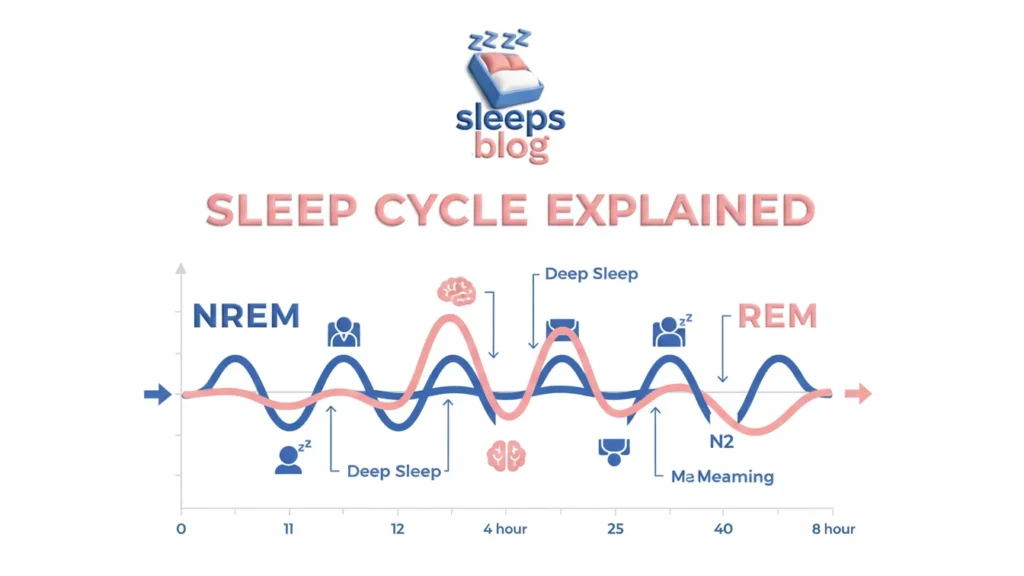
To understand how to sleep better, it helps to know what actually happens when you fall asleep. Sleep is not a single, uniform state. Instead, your brain and body move through repeating cycles that serve different restorative functions throughout the night. When these cycles are disrupted, sleep may feel unrefreshing — even if you spend enough time in bed.
A typical night of sleep is made up of multiple cycles, each lasting about 90 minutes. Within each cycle, there are stages of non-REM sleep followed by REM sleep. Non-REM sleep ranges from light sleep to deep sleep, where physical recovery takes place. During deep sleep, heart rate slows, muscles relax, and the body focuses on repair and immune function. This stage is especially important for feeling physically restored in the morning.
REM sleep, on the other hand, is when most dreaming occurs. During this stage, the brain becomes more active, processing emotions, consolidating memories, and supporting learning. REM sleep plays a major role in mental clarity, mood regulation, and emotional resilience. If REM sleep is cut short or fragmented, people often wake up feeling mentally foggy or emotionally off-balance.
One key point many people miss is that sleep quality depends on completing cycles, not just falling asleep. Frequent awakenings, stress, alcohol, or irregular schedules can interrupt these cycles, preventing the brain from reaching deeper or longer REM stages later in the night. This is why waking up tired doesn’t always mean you need more hours — it may mean your sleep cycles are being disrupted.
As you move through this guide, you’ll see how daily habits, bedtime routines, and environmental factors influence these cycles. Improving sleep often starts with protecting the natural rhythm of these stages rather than forcing sleep itself.
How Much Sleep You Actually Need (By Age and Lifestyle)
One of the most common questions about sleep is also one of the most misunderstood: how much sleep do you really need? While many guidelines suggest a specific number of hours, the reality is more nuanced. Sleep needs vary not only by age, but also by lifestyle, stress levels, and individual biology.
For most adults, general recommendations fall between 7 and 9 hours per night. However, this range is not a rigid rule. Some people function well on slightly less, while others genuinely need more to feel rested and mentally clear. Genetics, daily cognitive demands, physical activity, and emotional stress all influence how much sleep your body requires to recover properly.
Age also plays a role. Younger adults often tolerate irregular schedules better, while people over 40 may notice that poor sleep affects them more quickly. Changes in hormone levels, circadian rhythm sensitivity, and stress response can all make sleep feel lighter or more fragmented with age. This doesn’t necessarily mean you need drastically more sleep — but it does mean consistency becomes more important.
Lifestyle factors are just as influential. High-stress jobs, caregiving responsibilities, frequent travel, or shift work can increase sleep needs because the body is under greater strain. In these cases, focusing only on hours slept may miss the bigger picture. Sleep timing, quality, and regularity often matter more than trying to “catch up” on weekends.
A useful way to assess your personal sleep needs is to observe how you feel after several days of consistent sleep without alarms or major disruptions. Waking up naturally, feeling alert during the day, and not relying heavily on caffeine are signs that your sleep duration is likely adequate.
Ultimately, sleeping better isn’t about forcing yourself into a fixed number. It’s about finding the amount of sleep that supports your energy, mood, and focus — and then protecting it through sustainable habits.
Why You Can’t Sleep Well at Night: The Most Common Root Causes
When sleep problems show up night after night, it’s easy to assume something is “wrong” with you. In reality, poor sleep is usually the result of multiple overlapping factors, not a single cause. Understanding these root causes is a crucial step toward sleeping better consistently.
One of the most common contributors is mental hyperarousal. Stress, worry, and an overactive mind can keep the nervous system in a heightened state long after the body is physically tired. Even when you feel exhausted, your brain may still be scanning for problems, replaying conversations, or anticipating the next day. This makes it difficult to transition into deeper stages of sleep.
Another frequent factor is circadian rhythm disruption. Irregular bedtimes, late-night screen exposure, shift work, or inconsistent morning light can confuse your internal clock. When your circadian rhythm is out of sync, your body may not release sleep-related hormones at the right time, making it harder to fall or stay asleep.
Lifestyle habits also play a role. Late caffeine intake, heavy evening meals, alcohol, or intense workouts too close to bedtime can all interfere with sleep quality. These habits don’t affect everyone equally, which is why generic advice often feels hit-or-miss.
Environmental factors are often overlooked. Noise, light, temperature, and even an uncomfortable mattress or pillow can cause micro-awakenings that fragment sleep. You may not fully wake up, but your sleep cycles are interrupted enough to reduce their restorative effect.
Finally, expectations themselves can become a root cause. When bedtime is associated with frustration or fear of another bad night, the brain learns to stay alert. Over time, this creates a pattern where the idea of sleep triggers wakefulness.
Improving sleep starts by identifying which of these factors apply to you — not by trying to fix everything at once, but by addressing the most impactful causes first.
The Role of Circadian Rhythm in Better Sleep
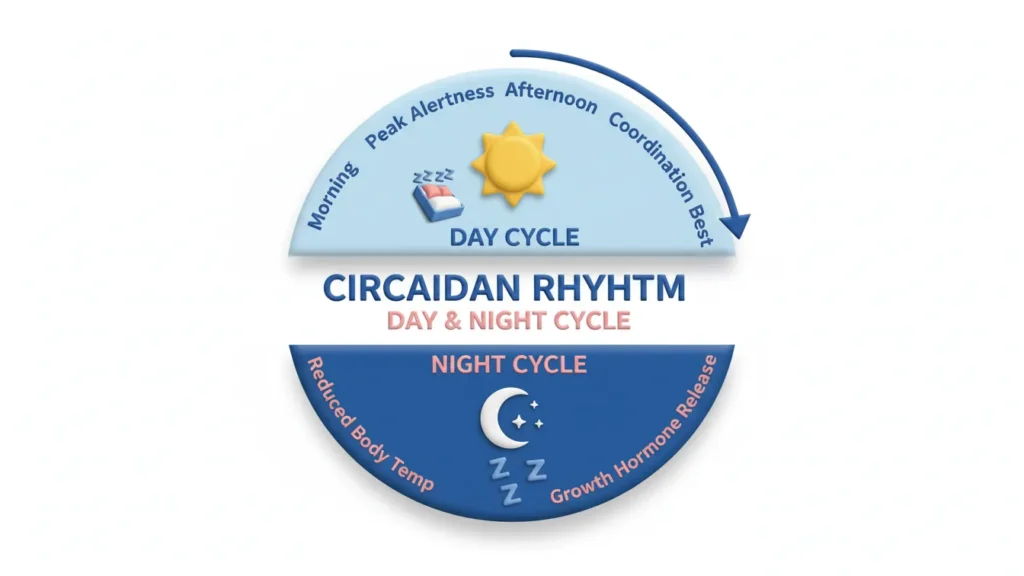
Your circadian rhythm is often described as your body’s internal clock, but it’s more accurate to think of it as a daily timing system that influences when you feel awake, alert, sleepy, or tired. This rhythm regulates not only sleep, but also hormone release, body temperature, digestion, and energy levels throughout the day. When it works well, sleep feels natural. When it’s disrupted, even good habits may not be enough.
The circadian rhythm is strongly influenced by light exposure, especially natural daylight. Morning light signals to your brain that it’s time to be awake and alert, while darkness in the evening helps trigger the release of melatonin, a hormone associated with sleep onset. When this light–dark pattern is inconsistent, the rhythm can shift later or become confused, making it harder to fall asleep at night.
Modern lifestyles often interfere with this system. Late nights, irregular schedules, screen exposure after dark, and minimal time outdoors during the day all weaken circadian signals. Over time, this can create a pattern where you feel wired at night and sluggish in the morning — a classic sign of circadian misalignment.
Consistency plays a bigger role than perfection. Going to bed and waking up at roughly the same times each day helps reinforce your internal clock, even if sleep isn’t ideal at first. Likewise, getting daylight exposure early in the day and dimming lights in the evening can gradually shift your rhythm in a healthier direction.
Importantly, circadian rhythm issues don’t mean something is “broken.” They are often adaptive responses to environment and routine. With small, intentional adjustments, the body can relearn when to be alert and when to rest — making sleep feel less forced and more automatic.
How Stress and Anxiety Disrupt Sleep (and What to Do About It)
Stress and anxiety are among the most common reasons people struggle to sleep, even when they feel physically exhausted. From a biological perspective, this makes sense. Stress activates the body’s fight-or-flight response, increasing alertness and releasing hormones like cortisol and adrenaline. These signals are helpful during the day, but at night they directly conflict with the conditions needed for sleep.
An anxious mind often becomes more active when external distractions fade. Thoughts about work, relationships, finances, or health can intensify as soon as you lie down. This mental activity keeps the nervous system engaged, making it harder to relax into sleep. Over time, the brain may begin to associate bedtime with worry rather than rest, reinforcing the pattern.
Another challenge is anticipatory anxiety around sleep itself. After a series of poor nights, many people start to fear bedtime. They watch the clock, calculate hours remaining, and judge their sleep before it even happens. This pressure creates a self-perpetuating cycle where trying to sleep becomes the very thing that keeps you awake.
Addressing stress-related sleep issues doesn’t require eliminating stress completely — which is rarely realistic. Instead, it’s about helping the nervous system shift into a calmer state in the evening. Simple practices like slow breathing, gentle stretching, or writing down worries earlier in the evening can reduce mental load before bed.
Equally important is changing how you respond to wakefulness. Accepting occasional sleeplessness, rather than fighting it, often reduces anxiety over time. When the brain learns that being awake at night is not a threat, it becomes easier to let go and fall asleep naturally.
Improving sleep in the context of stress is a gradual process, but small changes in mindset and routine can make nights feel safer and more predictable.

Sleep Hygiene Basics That Actually Make a Difference
Sleep hygiene is one of the most commonly mentioned concepts in sleep advice — and also one of the most misunderstood. Many people are familiar with long lists of rules, but following every recommendation perfectly is neither realistic nor necessary. What truly matters is focusing on the few habits that have the greatest impact on sleep quality.
At its core, sleep hygiene is about sending clear signals to your brain about when it’s time to be awake and when it’s time to rest. Consistent sleep and wake times are one of the strongest signals you can give. Going to bed and waking up at roughly the same time each day helps stabilize your circadian rhythm, even if sleep quality isn’t ideal at first.
Another key factor is what you do in the hours before bed. Sleep hygiene works best when evenings are predictable and calming. This doesn’t mean rigid routines, but rather avoiding activities that significantly increase mental or emotional arousal right before bedtime. Intense work, emotionally charged conversations, or stimulating content can make it harder for the brain to wind down.
The bedroom itself also plays an important role. Using your bed primarily for sleep helps strengthen the mental association between lying down and resting. When the bed becomes a place for work, scrolling, or worrying, the brain learns to stay alert instead of relaxed.
It’s also important to recognize what matters less than people think. Not every screen needs to be eliminated, and not every night needs to be perfect. Sleep hygiene is most effective when it’s flexible and sustainable, not strict or anxiety-inducing.
By focusing on consistency, reduced stimulation, and clear sleep cues, sleep hygiene becomes a supportive framework — not a checklist to stress over. These basics create a foundation that allows other sleep-improving strategies to work more effectively.
How Your Sleep Environment Impacts Sleep Quality
Your sleep environment quietly shapes how well you sleep, even when you’re not consciously aware of it. Small disruptions — light, noise, temperature, or physical discomfort — can cause micro-awakenings throughout the night. You may not fully wake up, but these interruptions can fragment sleep cycles and reduce how restorative sleep feels.
One of the most important factors is light exposure. Darkness signals the brain that it’s time to rest, while light promotes alertness. Even low levels of artificial light, such as streetlights or electronic indicators, can interfere with sleep for some people. Blackout curtains, eye masks, or dimmer lighting in the evening can help reinforce a stronger night-time signal.
Temperature also plays a significant role. Most people sleep better in a slightly cool environment, as body temperature naturally drops during sleep. Rooms that are too warm can increase restlessness and nighttime awakenings. Adjusting bedding, sleepwear, or airflow often makes a noticeable difference without major changes.
Noise is another common disruptor. Sudden or inconsistent sounds tend to be more disturbing than steady background noise. This is why some people find gentle white noise helpful — it masks unpredictable sounds and creates a more stable auditory environment.
Physical comfort shouldn’t be overlooked. An unsupportive mattress or pillow can cause subtle discomfort that pulls the body out of deeper sleep stages. Comfort is highly individual, so the “best” setup varies from person to person.
Improving your sleep environment doesn’t require perfection or expensive upgrades. Thoughtful adjustments that reduce stimulation and increase comfort can support deeper, more continuous sleep — making it easier for your body to complete full sleep cycles night after night.
The Best Evening Routine to Help You Sleep Better
An effective evening routine isn’t about doing the same rigid steps every night. Instead, it’s about creating a predictable transition from daytime activity to nighttime rest. This transition helps your brain and body recognize that it’s time to slow down, making sleep feel more natural rather than forced.
The most helpful routines usually begin 60 to 90 minutes before bedtime. During this window, the goal is to gradually reduce stimulation. Dimming lights, lowering screen brightness, and shifting to calmer activities can signal to your nervous system that the day is winding down. This doesn’t mean avoiding all screens, but it does mean being mindful of content that increases alertness or emotional engagement.
Simple, low-effort activities tend to work best. Light stretching, reading, listening to calming audio, or taking a warm shower can help the body relax. For some people, writing down tasks or worries earlier in the evening reduces mental clutter at bedtime. The key is consistency rather than complexity.
An important part of an evening routine is ending the day intentionally. Many sleep issues come from carrying unresolved stress straight into bed. Even a brief moment of reflection or planning for the next day can create a sense of closure that makes it easier to let go.
It’s also helpful to avoid using bedtime as a test of success. If a routine becomes another thing you feel pressured to “get right,” it can backfire. Routines should feel supportive, not restrictive.
Over time, a steady evening routine conditions your brain to associate certain behaviors with rest. This association strengthens night after night, making it easier to fall asleep — even on days when stress or fatigue is higher than usual.

What to Do If You Can’t Fall Asleep After Going to Bed
One of the most frustrating sleep experiences is lying in bed, tired but awake, waiting for sleep to arrive. In these moments, the instinct is often to try harder — to force relaxation or mentally negotiate with sleep. Unfortunately, this usually increases alertness rather than reducing it.
A helpful shift is to stop treating the bed as a place for effort. Sleep is a passive process, and when it doesn’t come naturally, staying in bed while feeling tense can teach the brain that the bed is a place for wakefulness and frustration. Over time, this association can make it even harder to fall asleep.
If you’ve been awake for a while and notice rising tension or restlessness, it can be useful to change your state without fully waking up. This might mean sitting up briefly, doing a calm, low-stimulation activity, or focusing on gentle breathing. The goal isn’t to distract yourself aggressively, but to reduce pressure.
Clock-watching is another common trap. Checking the time repeatedly increases anxiety and reinforces the idea that sleep is something you’re failing at. Turning clocks away or avoiding phone checks can remove this source of stress.
It’s also important to normalize occasional difficulty falling asleep. Even good sleepers have nights where sleep comes slowly. When you respond to wakefulness with acceptance rather than alarm, the nervous system often settles more quickly.
Over time, learning how to respond calmly when sleep doesn’t come can be just as important as the habits that help sleep start. This approach reduces the fear of wakefulness — making it easier for sleep to return on its own.
How to Stop Waking Up in the Middle of the Night
Waking up during the night is extremely common, yet many people assume it means something is seriously wrong with their sleep. In reality, brief awakenings are a normal part of the sleep cycle. The issue arises when these awakenings become frequent, prolonged, or stressful enough to interfere with returning to sleep.
One of the most common reasons for nighttime awakenings is stress-related arousal. Even if you fall asleep easily, elevated stress hormones can make sleep lighter and more fragile, especially in the second half of the night. This is why people often wake up in the early morning hours with racing thoughts or a sense of alertness.
Blood sugar fluctuations, late or heavy meals, and alcohol can also contribute. While alcohol may help with sleep onset, it often disrupts sleep later in the night by increasing awakenings and reducing REM sleep. Similarly, eating too close to bedtime can activate digestion when the body should be resting.
Environmental factors play a role as well. Noise, changes in temperature, or light exposure can trigger partial awakenings without fully waking you up — but enough to interrupt sleep cycles. Over time, these disruptions add up.
Perhaps the most important factor is how you respond when you wake up. Lying in bed worrying about being awake often increases alertness and makes it harder to fall back asleep. Calm acceptance, gentle breathing, or briefly shifting attention away from the problem can help the body return to rest.
Reducing nighttime awakenings usually involves a combination of daytime stress management, consistent routines, and learning to respond to wakefulness without panic. These changes may not work overnight, but they often lead to steadier, more resilient sleep over time.
The Impact of Food, Caffeine, and Alcohol on Sleep
What you eat and drink throughout the day can significantly influence how well you sleep at night — often in subtle ways that aren’t immediately obvious. While no single food guarantees better sleep, timing, quantity, and individual sensitivity all play an important role.
Caffeine is one of the most common sleep disruptors. Its effects can last much longer than people expect, sometimes up to six hours or more. Even if you feel like caffeine doesn’t affect you, it may still reduce deep sleep or delay sleep onset. Paying attention to afternoon intake — not just coffee, but also tea, energy drinks, and some supplements — can make a noticeable difference.
Alcohol is often misunderstood. While it may help you fall asleep faster, it tends to fragment sleep later in the night. Alcohol can reduce REM sleep and increase awakenings, leading to less restorative rest overall. Many people notice they fall asleep easily after drinking but wake up earlier or feel less refreshed in the morning.
Food timing also matters. Heavy or rich meals close to bedtime can activate digestion and raise body temperature, both of which can interfere with sleep. On the other hand, going to bed overly hungry can also be disruptive. Finding a balance — such as a lighter evening meal and avoiding large portions late at night — often supports steadier sleep.
Individual responses vary widely. Some people are more sensitive to caffeine or late meals than others. Tracking how different foods and drinks affect your sleep can help you identify personal patterns rather than relying on generic rules.
Improving sleep through nutrition isn’t about strict restriction. Small adjustments in timing and awareness often lead to meaningful improvements without adding stress or complexity.
👉Nighttime Routines That Support Better Sleep
Physical Activity and Sleep: How to Find the Right Balance
Physical activity plays an important role in sleep, but the relationship isn’t as simple as “exercise more, sleep better.” While regular movement generally supports healthier sleep, how, when, and how intensely you exercise can influence sleep quality in different ways.
Moderate, consistent activity during the day is often associated with deeper and more restorative sleep. Exercise helps regulate circadian rhythm, reduces stress, and supports overall physical health — all of which contribute to better sleep. Even low-impact activities like walking, stretching, or gentle yoga can be beneficial when done regularly.
Timing, however, matters. Intense workouts late in the evening can increase heart rate, body temperature, and adrenaline levels, making it harder for some people to wind down. This doesn’t mean evening exercise is always harmful, but it may require a longer cooldown period and attention to how your body responds. Morning or early afternoon activity tends to support sleep more consistently for most people.
Overtraining is another overlooked factor. Too much exercise without adequate recovery can elevate stress hormones and disrupt sleep, especially if paired with insufficient rest or nutrition. If you notice restlessness, frequent awakenings, or fatigue despite regular workouts, it may be a sign that your body needs more recovery rather than more effort.
The most effective approach is individualized. Paying attention to how different types of movement affect your sleep can help you find the right balance. The goal is not to exhaust yourself, but to support your body’s natural rhythms.
When physical activity is aligned with your lifestyle and energy levels, it becomes a powerful ally for better sleep — not another variable that works against it.

Natural Ways to Sleep Better (Without Prescription Medication)
Many people look for natural ways to sleep better because they want solutions that feel gentle, sustainable, and aligned with their daily lives. While there’s no single natural method that works for everyone, combining small, evidence-informed changes often leads to meaningful improvements over time.
One of the most effective natural approaches is routine consistency. Going to bed and waking up at similar times each day supports your circadian rhythm and reduces sleep variability. This alone can improve sleep quality without adding any new techniques.
Relaxation practices are another common strategy. Gentle breathing exercises, progressive muscle relaxation, or mindfulness-based techniques can help calm the nervous system before bed. These practices don’t need to be perfect or lengthy to be helpful — even a few minutes of intentional slowing down can reduce nighttime arousal.
Exposure to natural light during the day also plays a powerful role. Morning daylight helps anchor your internal clock, while reducing bright light exposure in the evening supports the body’s natural transition into sleep. Spending time outdoors earlier in the day is one of the simplest adjustments with long-term benefits.
Behavioral changes matter as well. Limiting stimulating activities close to bedtime, creating a wind-down period, and using the bed primarily for sleep help reinforce healthy sleep associations. These habits often work best when introduced gradually rather than all at once.
Natural approaches are not about avoiding all challenges or guaranteeing perfect nights. Instead, they focus on creating conditions that support sleep consistently. When expectations are realistic and changes are sustainable, natural strategies can help improve sleep without relying on prescription medication.
Do Supplements Help You Sleep Better? What to Know First
Sleep supplements are widely marketed as simple solutions for better sleep, but their role is often misunderstood. While some people find certain supplements helpful, they are not magic fixes — and they work best when used with realistic expectations and a strong foundation of healthy sleep habits.
Supplements may support sleep in different ways depending on the individual. Some are associated with relaxation, others with circadian rhythm support, and some with stress management. However, responses vary significantly. What helps one person sleep better may have little effect on another, which is why supplements should be approached cautiously rather than automatically.
Another important consideration is timing and consistency. Supplements are often assumed to work immediately, but some may require regular use over time to notice subtle effects. Taking them inconsistently or expecting dramatic overnight changes can lead to disappointment.
Safety also matters. Even non-prescription supplements can interact with medications or underlying health conditions. This is especially important for people who are sensitive to stimulants, have anxiety, or already experience fragmented sleep. Starting with low doses and paying attention to how your body responds is a more responsible approach than stacking multiple products at once.
It’s also worth remembering that supplements cannot compensate for poor sleep routines, high stress, or an inconsistent schedule. When these factors remain unaddressed, supplements are unlikely to produce meaningful improvements.
Used thoughtfully, supplements may complement healthy sleep practices — but they work best as part of a broader strategy rather than as a standalone solution. Understanding their limitations helps set realistic expectations and reduces unnecessary trial and error.
How Technology Affects Sleep (Phones, Screens, and Wearables)
Technology plays a complex role in sleep. On one hand, screens and constant connectivity can make it harder to wind down. On the other, technology can also provide useful tools for awareness and routine-building. Sleeping better often depends on how technology is used, not simply whether it’s present.
Screens can interfere with sleep in two main ways. First, light exposure — particularly in the evening — can delay the body’s natural release of sleep-related hormones. Second, content itself can be mentally stimulating. Social media, work emails, or emotionally engaging videos can keep the brain in an alert state long after you put the device down.
That said, eliminating screens entirely isn’t realistic for many people. A more sustainable approach is setting boundaries. Lowering screen brightness, using night modes, and avoiding highly stimulating content close to bedtime can reduce negative effects without adding stress.
Wearable devices and sleep tracking apps introduce another layer. They can offer insights into sleep patterns and habits, but they can also increase anxiety if data is taken too literally. Sleep metrics are estimates, not diagnoses. For some people, focusing too much on scores and graphs can actually make sleep worse by increasing performance pressure.
Technology works best as a support tool, not a judge. Using reminders for bedtime routines, calming audio, or gentle alarms can be helpful, as long as the focus remains on how you feel rather than perfect numbers.
When technology is used intentionally, it can support healthier sleep habits instead of undermining them. The key is awareness, moderation, and flexibility.

How Long It Takes to See Improvements in Sleep
One of the most discouraging aspects of improving sleep is expecting fast results and not seeing them right away. Sleep is a biological process shaped by habits, stress, and routines built over time. Because of this, meaningful improvements often happen gradually, not overnight.
Some changes can have immediate effects. Adjusting caffeine timing, reducing late-night stimulation, or improving the sleep environment may lead to noticeable differences within a few nights. However, deeper improvements — such as fewer nighttime awakenings or more consistent energy during the day — usually take longer.
The body and brain need time to relearn healthy sleep patterns. Circadian rhythm adjustments, stress regulation, and conditioned sleep associations don’t shift instantly. For many people, it takes several weeks of consistency before sleep starts to feel more stable and predictable.
It’s also normal for progress to be uneven. You may experience a few good nights followed by setbacks, especially during stressful periods. This doesn’t mean your efforts aren’t working. Sleep improvement is rarely linear, and temporary disruptions are part of the process.
A helpful mindset is to track trends rather than individual nights. Paying attention to how you feel during the day — energy, mood, focus — often provides a more accurate picture than focusing on sleep alone.
Patience and consistency are essential. When expectations are realistic, improvements are easier to recognize and maintain. Over time, small adjustments compound, leading to better sleep without constant effort or frustration.
When Poor Sleep Is a Sign You Should Seek Professional Help
While many sleep issues can improve with lifestyle adjustments and consistent habits, there are times when poor sleep signals that additional support may be helpful. Knowing when to seek professional help is an important part of taking sleep seriously — without jumping to conclusions or self-diagnosing.
One key sign is persistence. If sleep problems continue for weeks or months despite thoughtful changes to routines, stress management, and environment, it may be time to talk to a qualified professional. Chronic difficulty falling asleep, staying asleep, or feeling restored can point to underlying issues that require individualized guidance.
Another indicator is daytime impairment. Frequent exhaustion, difficulty concentrating, mood changes, or reliance on stimulants to get through the day suggest that sleep problems are affecting overall functioning. When sleep consistently interferes with daily life, support can make a meaningful difference.
Certain symptoms deserve special attention, such as loud snoring with pauses in breathing, sudden changes in sleep patterns, or overwhelming daytime sleepiness. These experiences don’t automatically mean something serious, but they are worth discussing with a healthcare provider who can assess them properly.
It’s also important to seek help if sleep anxiety becomes overwhelming. When fear of not sleeping dominates thoughts or leads to significant distress, working with a sleep-focused professional or therapist can help break the cycle in a supportive way.
Seeking help is not a failure — it’s a step toward understanding your sleep more clearly. Professional guidance can complement healthy habits and provide reassurance, structure, and perspective when self-guided efforts aren’t enough.