

What Is a Sleep Schedule?
A sleep schedule refers to the consistent pattern of times a person goes to bed and wakes up each day. It is not simply about how many hours you sleep, but when those hours occur. Your body relies on predictable timing to regulate sleep, energy levels, and many biological processes that influence overall health.
At the core of a sleep schedule is the body’s internal clock, also known as the circadian rhythm. This internal system responds to light, darkness, and routine cues to determine when you feel alert and when you feel sleepy. When bedtime and wake-up times remain consistent, the brain learns to anticipate sleep, making it easier to fall asleep, stay asleep, and wake up feeling refreshed.
Many people assume that sleep quality is determined only by duration, but sleep timing plays an equally important role. Sleeping eight hours at irregular times can still result in poor sleep quality, fatigue, and difficulty concentrating during the day. In contrast, a stable sleep schedule helps align sleep stages with the body’s natural rhythms, allowing deeper and more restorative sleep.
A sleep schedule also influences daily performance. Consistent sleep and wake times support better mood regulation, improved focus, and steadier energy levels. Over time, irregular schedules can disrupt hormone release, increase stress on the nervous system, and make sleep feel unpredictable and fragmented.
Understanding what a sleep schedule is—and why timing matters—is the foundation for improving sleep health. Before making changes to habits or routines, it is essential to recognize how your current sleep timing affects the way your body rests and recovers.
Why a Consistent Sleep Schedule Matters
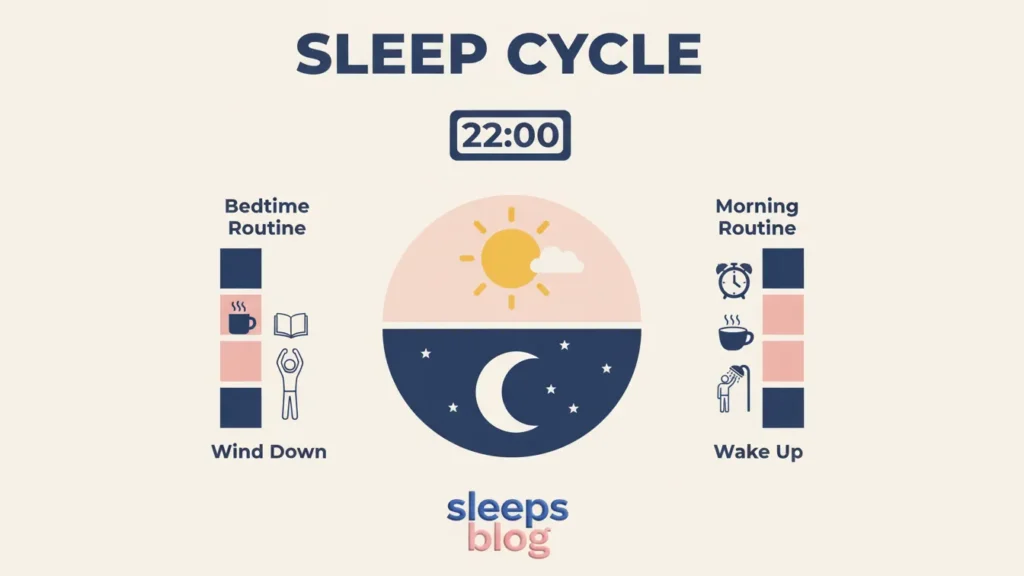
A consistent sleep schedule is one of the most important factors for healthy, restorative sleep. While many people focus on sleep duration alone, consistency in bedtime and wake-up time plays a critical role in how well the body and brain function throughout the day. When sleep timing is predictable, the body can prepare for rest more efficiently.
The human body thrives on routine. A regular sleep schedule helps synchronize the internal clock with environmental cues such as light and darkness. Over time, this synchronization makes it easier to feel sleepy at night and alert in the morning without relying on stimulants or alarms. When sleep times shift frequently, the internal clock becomes confused, making sleep feel less natural and more forced.
Consistency also improves sleep quality. When bedtime occurs at the same time each night, the brain transitions more smoothly into deeper stages of sleep. These stages are essential for physical recovery, memory consolidation, and emotional regulation. Irregular sleep schedules often shorten or fragment these deeper sleep stages, even if total sleep time appears adequate.
Beyond sleep itself, a stable sleep schedule supports overall health. Consistent sleep timing helps regulate hormones related to appetite, stress, and metabolism. It also contributes to more stable mood, better focus, and improved energy levels during the day. In contrast, irregular sleep patterns are often associated with fatigue, irritability, and reduced cognitive performance.
Maintaining a consistent sleep schedule does not mean perfection. Small variations are normal, but keeping sleep and wake times within a narrow range allows the body to maintain balance. Understanding why consistency matters is a key step toward building a sleep routine that feels natural, sustainable, and supportive of long-term well-being.
How Your Internal Clock Controls Sleep Timing
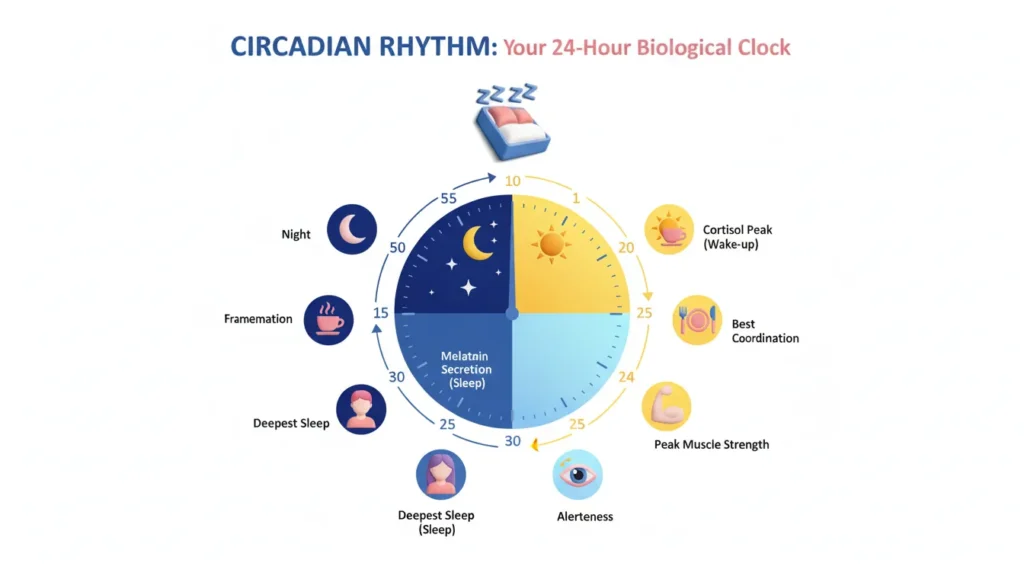
Your internal clock, often referred to as the circadian rhythm, plays a central role in controlling when you feel awake and when you feel sleepy. This biological system operates on an approximately 24-hour cycle and is designed to align your sleep timing with natural environmental cues, especially light and darkness. A well-aligned internal clock makes sleep feel effortless, while a disrupted one can make even long hours in bed feel unrefreshing.
The internal clock is located in the brain and responds primarily to light exposure. Morning light signals that it is time to wake up and be alert, while darkness in the evening triggers the release of melatonin, a hormone that promotes sleepiness. When these signals occur at consistent times each day, the body learns to anticipate sleep and wake periods naturally.
Sleep timing becomes problematic when the internal clock is pushed out of sync. Irregular bedtimes, late-night screen exposure, inconsistent wake-up times, and frequent schedule changes can all confuse the clock. As a result, you may feel wide awake at night and sleepy during the day, even if you are spending enough time in bed. This misalignment often leads to difficulty falling asleep, lighter sleep, and early awakenings.
Your internal clock also influences more than sleep. It affects body temperature, hormone release, digestion, and energy levels throughout the day. When sleep timing aligns with this internal rhythm, these processes work together efficiently. When it does not, the body experiences strain that can lead to fatigue, mood changes, and reduced performance.
Understanding how your internal clock controls sleep timing is essential for building a healthy sleep schedule. Instead of forcing sleep through willpower alone, aligning daily habits with the body’s natural rhythm creates more predictable, restorative sleep.
The Connection Between Sleep Schedule and Sleep Quality
Sleep schedule and sleep quality are deeply connected, yet many people treat them as separate issues. While sleep quality is often associated with how deeply or peacefully you sleep, your sleep schedule strongly influences whether that quality is even possible. When sleep timing is inconsistent, the body struggles to enter and maintain the restorative stages of sleep that are essential for recovery.
A consistent sleep schedule helps the brain predict when sleep should occur. This predictability allows the body to release sleep-related hormones at the right time and progress smoothly through the different stages of sleep. As a result, sleep becomes deeper, more stable, and less fragmented. People with regular sleep schedules often experience fewer nighttime awakenings and wake up feeling more refreshed.
In contrast, irregular sleep schedules disrupt this process. Going to bed and waking up at different times each day confuses the body’s internal clock, making it harder to transition into deeper sleep stages. Even if total sleep duration remains the same, sleep quality often suffers. Light sleep becomes more common, and the restorative phases that support memory, immune function, and emotional balance may be shortened.
Sleep schedule inconsistency can also increase sensitivity to external disturbances. Noise, light, or minor discomforts are more likely to cause awakenings when sleep timing is misaligned. Over time, this leads to a pattern of restless sleep and daytime fatigue, even in people who spend enough hours in bed.
Understanding the connection between sleep schedule and sleep quality highlights why timing matters as much as duration. Improving sleep quality often begins not with supplements or complex routines, but with establishing regular sleep and wake times that allow the body to function at its best.
Common Signs Your Sleep Schedule Is Off
A disrupted sleep schedule often reveals itself through subtle but consistent signs that are easy to overlook. Many people assume these symptoms are caused by stress, workload, or lifestyle demands, when in reality they are signals that sleep timing is misaligned with the body’s internal clock. Recognizing these signs early can prevent long-term sleep problems from developing.
One of the most common indicators is difficulty falling asleep at night, even when feeling physically tired. If bedtime arrives but your mind feels alert or restless, your sleep schedule may be shifted later than intended. Similarly, waking up feeling groggy, disoriented, or unusually tired—despite spending enough hours in bed—can suggest that sleep occurred at the wrong biological time.
Daytime sleepiness is another clear sign. Feeling a strong energy dip in the late morning or afternoon, relying heavily on caffeine, or struggling to stay focused during routine tasks often points to poor sleep timing. Mood changes such as irritability, low motivation, or increased stress sensitivity are also frequently linked to an inconsistent sleep schedule.
Irregular hunger patterns can offer additional clues. A misaligned sleep schedule can disrupt appetite-regulating hormones, leading to late-night cravings, reduced morning appetite, or unpredictable eating habits. Over time, this hormonal imbalance can further reinforce sleep disruptions.
Finally, large differences between weekday and weekend sleep times—often called “social jet lag”—are a strong signal that your sleep schedule is off. Sleeping much later on days off may feel restorative in the moment but often worsens sleep timing during the week.
Identifying these signs is the first step toward correcting sleep timing. Once you recognize how your current schedule affects your daily functioning, adjusting sleep habits becomes more targeted and effective.

How Irregular Sleep Times Disrupt Your Body
Irregular sleep times place constant stress on the body because they interfere with the natural rhythms that regulate sleep, energy, and recovery. When bedtime and wake-up times change frequently, the body loses its ability to predict when rest will occur. This unpredictability forces the nervous system to remain more alert, making sleep feel lighter and less restorative.
One of the main systems affected by irregular sleep times is the circadian rhythm. This internal timing system relies on consistency to coordinate hormone release, body temperature, and alertness levels. When sleep times shift from day to day, the circadian rhythm struggles to align with environmental cues such as light and darkness. As a result, sleep signals may arrive too late or too early, leading to difficulty falling asleep or waking up feeling unrested.
Hormonal balance is also disrupted. Irregular sleep timing can interfere with the release of melatonin, cortisol, and other hormones that regulate stress, appetite, and metabolism. This disruption may contribute to increased fatigue, mood instability, and cravings for quick sources of energy such as sugar or caffeine. Over time, these changes can reinforce poor sleep habits and further destabilize sleep timing.
The body’s ability to recover is also compromised. Deep sleep stages, which are essential for physical repair and immune function, are more likely to be shortened or fragmented when sleep occurs at inconsistent times. Even if total sleep duration appears sufficient, the quality of that sleep may be reduced.
Understanding how irregular sleep times disrupt the body highlights why consistency matters. Stabilizing sleep timing allows biological systems to work together more efficiently, supporting better sleep quality, steadier energy levels, and improved overall health.
Sleep Schedule vs. Sleep Duration: What Matters More?
Sleep schedule and sleep duration are often discussed together, but they are not the same—and understanding the difference is essential for improving sleep. Many people focus almost exclusively on getting a certain number of hours of sleep, assuming that duration alone determines how rested they feel. In reality, sleep timing plays a critical role in how effective those hours actually are.
Sleep duration refers to the total amount of time spent sleeping, while sleep schedule refers to when that sleep occurs. Sleeping eight hours at inconsistent times can still leave you feeling tired, unfocused, or irritable. This happens because the body’s internal clock may not be aligned with the timing of sleep, reducing the efficiency of sleep stages that support recovery and alertness.
A consistent sleep schedule helps the body anticipate rest, allowing deeper sleep stages to occur at the right times. When sleep aligns with the circadian rhythm, the brain and body move more smoothly through cycles of deep and REM sleep. These stages are crucial for memory consolidation, emotional balance, and physical restoration. Without proper timing, even long sleep durations may feel shallow or fragmented.
That said, sleep duration still matters. Chronic sleep deprivation—consistently getting too few hours of sleep—will eventually impair health and performance, regardless of how regular the schedule is. The key is balance. A healthy sleep routine combines sufficient duration with consistent timing, allowing the body to fully benefit from both.
When deciding what matters more, sleep schedule often comes first. Establishing regular sleep and wake times creates the foundation for better sleep quality. Once timing is stable, adjusting duration becomes more effective and sustainable, leading to long-term improvements in sleep health.
The Best Time to Go to Bed and Wake Up
Many people search for the “perfect” bedtime and wake-up time, but the best sleep schedule is not universal. Instead, the ideal timing depends on how well sleep aligns with the body’s internal clock and daily responsibilities. While general guidelines exist, consistency and biological alignment matter far more than copying a specific clock time.
The body naturally follows a rhythm that favors sleeping during the night and waking during the morning. For most adults, this means feeling naturally sleepy sometime between late evening and midnight and waking between early and mid-morning. When sleep occurs within this window, the body can take full advantage of hormonal patterns that support deep and restorative sleep.
Waking up time is often the most important anchor. Choosing a consistent wake-up time helps regulate the entire sleep-wake cycle, even more than bedtime does. When you wake up at the same time every day, the body gradually adjusts sleep pressure and melatonin release to support falling asleep more easily at night. Over time, bedtime naturally shifts into a healthier range without force.
Bedtime should be set based on wake-up time and sleep needs rather than exhaustion alone. Going to bed too early, before the body is ready, can lead to restlessness and frustration. Going to bed too late, even when tired, can shorten sleep duration and reduce sleep quality. The goal is to choose a bedtime that allows sufficient sleep while matching natural sleepiness cues.
The best sleep schedule is one that feels sustainable. When bedtime and wake-up time are realistic, consistent, and aligned with the body’s internal rhythm, sleep becomes more predictable and restorative. Instead of chasing an ideal hour, focusing on regularity and biological signals leads to better long-term sleep health.

How Weekends Affect Your Sleep Schedule
Weekends often disrupt sleep schedules more than people realize. After a week of early alarms or demanding routines, it is tempting to stay up late and sleep in on days off. While this may feel restorative in the short term, it can significantly interfere with sleep timing and make it harder to return to a regular schedule during the week.
This pattern is commonly referred to as “social jet lag.” When weekend sleep times differ greatly from weekday schedules, the body’s internal clock shifts later. On Sunday night, the body may not feel sleepy at the usual bedtime, leading to difficulty falling asleep. The following mornings can feel especially challenging, even if enough hours are spent in bed.
Sleeping in late on weekends can also reduce sleep pressure. Sleep pressure is the natural drive to sleep that builds the longer you are awake. When you wake up much later than usual, this pressure builds more slowly, delaying sleepiness at night. Over time, this cycle reinforces late bedtimes and inconsistent sleep timing.
Late nights on weekends often come with additional sleep disruptors, such as increased screen time, alcohol consumption, or irregular meals. These factors can further weaken sleep quality and amplify the effects of schedule shifts. The result is often lighter sleep, more awakenings, and increased fatigue during the following week.
Maintaining a healthy sleep schedule does not mean sacrificing rest on weekends. Instead, limiting sleep-in time to a small window—such as one hour later than usual—helps preserve consistency while still allowing recovery. By keeping weekend sleep timing closer to weekday routines, it becomes easier to maintain stable sleep patterns and feel more rested throughout the week.
Napping and Its Impact on Sleep Timing
Napping can be a useful tool for managing fatigue, but it can also interfere with sleep timing when not used carefully. The effect of naps on a sleep schedule depends largely on their timing, duration, and frequency. When naps are poorly timed or too long, they can reduce the body’s natural drive to sleep at night and disrupt a consistent sleep routine.
Sleep pressure builds gradually the longer you stay awake. This pressure helps signal the body that it is time to sleep in the evening. Long or late naps reduce this pressure, making it harder to feel sleepy at bedtime. As a result, people who nap excessively may struggle to fall asleep at night, even if they feel tired earlier in the day.
The timing of naps is especially important. Early afternoon naps, typically taken shortly after lunch, are less likely to interfere with nighttime sleep because they align with a natural dip in alertness. In contrast, late afternoon or evening naps can shift sleep timing later and delay bedtime. Over time, this pattern can lead to inconsistent sleep schedules and fragmented nighttime sleep.
Nap duration also matters. Short naps—often referred to as “power naps”—lasting 20 to 30 minutes can improve alertness without significantly affecting nighttime sleep. Longer naps increase the likelihood of entering deeper sleep stages, which can lead to grogginess upon waking and reduce sleep pressure later in the day.
For people trying to stabilize their sleep schedule, limiting naps or avoiding them altogether can be helpful. When naps are necessary, keeping them brief and early in the day supports better sleep timing and helps preserve a consistent, healthy sleep schedule.
Sleep Schedules for Different Lifestyles
Not everyone follows the same daily routine, and sleep schedules need to adapt to different lifestyles to be effective. While consistency remains essential, the way a sleep schedule is structured can vary depending on work demands, family responsibilities, and personal habits. Understanding how lifestyle factors influence sleep timing helps create routines that are realistic and sustainable.
For people with traditional daytime schedules, maintaining a regular bedtime and wake-up time is often straightforward. Challenges usually arise from late-night activities, screen use, or social commitments. In these cases, protecting evening wind-down time and keeping mornings consistent are key to maintaining a healthy sleep schedule.
Parents and caregivers often face disrupted sleep due to nighttime responsibilities or early mornings. While perfect consistency may not be possible, anchoring wake-up time and creating predictable bedtime routines can still support better sleep timing. Short-term disruptions are common, but returning to a stable schedule whenever possible helps minimize long-term effects.
Students may experience fluctuating schedules due to academic demands, social activities, and irregular class times. Late nights followed by early mornings can quickly destabilize sleep timing. Prioritizing a consistent wake-up time, even after late nights, helps prevent major shifts in the internal clock.
People with flexible or remote work schedules face a different challenge. Without fixed start times, sleep schedules can drift later each day. Setting intentional boundaries around sleep and wake times prevents gradual misalignment and supports consistent energy levels.
Adapting sleep schedules to different lifestyles does not mean abandoning structure. The most effective sleep routines account for real-life demands while preserving regular timing as much as possible. Flexibility within limits allows sleep schedules to remain both practical and supportive of long-term sleep health.

Work Schedules, Shift Work, and Sleep Timing
Work schedules are one of the strongest external factors influencing sleep timing. While the body prefers predictable patterns, many jobs require early mornings, long hours, or rotating shifts that conflict with natural sleep rhythms. When work demands override biological timing, maintaining a healthy sleep schedule becomes more challenging—but not impossible.
Shift work is particularly disruptive to sleep timing. Night shifts, rotating schedules, or irregular hours force the body to stay awake when it is biologically programmed to sleep. Exposure to light at night and sleeping during the day can confuse the internal clock, leading to difficulty falling asleep, lighter sleep, and chronic fatigue. Even when shift workers get enough hours of sleep, the timing mismatch often reduces sleep quality.
Early morning schedules present a different challenge. Waking up before the body is fully prepared can shorten sleep duration and increase sleep pressure throughout the day. When early shifts are combined with late bedtimes, sleep debt accumulates quickly, making consistent sleep timing harder to maintain.
For people with demanding or irregular work schedules, consistency still matters. Anchoring sleep around the most stable part of the day—often wake-up time—helps limit circadian disruption. Creating clear boundaries between work and rest, controlling light exposure, and maintaining consistent sleep routines on workdays can reduce the negative impact of schedule demands.
While work schedules may not be fully adjustable, sleep timing can often be improved with intentional planning. Aligning sleep as closely as possible with the body’s natural rhythms—even within constraints—helps protect sleep quality, energy levels, and long-term health.
How Technology and Light Affect Your Sleep Schedule
Technology and artificial light have become some of the most influential factors shaping modern sleep schedules. While these tools are deeply integrated into daily life, their impact on sleep timing is often underestimated. Exposure to light—especially at night—can significantly alter the body’s internal clock and delay natural sleep signals.
The body relies on light to regulate circadian rhythms. Natural daylight in the morning helps signal alertness, while darkness in the evening triggers the release of melatonin, the hormone that promotes sleepiness. Screens from phones, tablets, computers, and televisions emit blue light, which closely mimics daylight. When this light exposure occurs in the evening, it can suppress melatonin production and shift sleep timing later.
Beyond light exposure, technology increases mental stimulation. Social media, emails, news, and entertainment keep the brain engaged and emotionally reactive at a time when it should be winding down. Even after devices are turned off, this heightened mental activity can delay sleep onset and make it harder to follow a consistent bedtime.
Artificial lighting in the home can have a similar effect. Bright overhead lights used late in the evening send wakefulness signals to the brain, reinforcing alertness when the body should be preparing for rest. Over time, consistent exposure to bright light at night can gradually push a sleep schedule later, making early bedtimes feel unnatural.
Managing light exposure is a powerful way to stabilize sleep timing. Reducing screen use before bed, dimming lights in the evening, and prioritizing natural light exposure during the day help reinforce the body’s natural rhythm. By aligning technology use with biological needs, it becomes easier to maintain a healthy, consistent sleep schedule.

Adjusting Your Sleep Schedule Safely
Adjusting a sleep schedule requires patience and a gradual approach. Many people attempt to change their sleep timing abruptly by going to bed much earlier or forcing themselves to wake up extremely early. While this may seem efficient, sudden changes often backfire, leading to difficulty falling asleep, increased frustration, and poor sleep quality.
The safest way to adjust a sleep schedule is through small, incremental changes. Shifting bedtime or wake-up time by 15 to 30 minutes every few days allows the body’s internal clock to adapt gradually. This approach reduces resistance from the nervous system and makes the transition feel more natural. Wake-up time is usually the best anchor to adjust first, as it helps regulate the entire sleep-wake cycle.
Consistency during the adjustment period is essential. Once a new sleep time is chosen, it should be maintained every day, including weekends. Frequent deviations can reset progress and prolong the adjustment process. Exposure to light also plays a key role. Bright light in the morning helps signal alertness and supports earlier sleep timing, while dim lighting in the evening encourages melatonin release.
Lifestyle habits should support the transition. Limiting caffeine later in the day, avoiding long naps, and creating a calming pre-sleep routine all help reinforce the new schedule. Physical activity and regular meal timing can further stabilize circadian rhythms during the adjustment phase.
Adjusting a sleep schedule safely is not about forcing sleep but about guiding the body toward better timing. When changes are gradual and supported by consistent habits, the body adapts more smoothly, leading to improved sleep quality and long-term schedule stability.
How Long It Takes to Fix a Sleep Schedule
Fixing a sleep schedule is a gradual process, and the amount of time it takes varies from person to person. Many people expect immediate results, but the body’s internal clock needs time to adapt to new sleep and wake times. Understanding this timeline helps set realistic expectations and reduces frustration during the adjustment period.
For mild sleep schedule disruptions, noticeable improvements may occur within a few days. Small shifts—such as going to bed and waking up at consistent times—can quickly help the body regain a sense of predictability. In these cases, falling asleep may feel easier, and morning alertness may begin to improve within the first week.
More significant disruptions, such as long-standing irregular schedules or frequent late nights, often take longer to correct. In general, the body can adjust by about 15 to 30 minutes every few days. This means that shifting a sleep schedule by several hours may take two to four weeks of consistent effort. Attempting to speed up this process usually leads to setbacks rather than faster progress.
Several factors influence how long it takes to fix a sleep schedule. Light exposure, stress levels, caffeine intake, and adherence to consistent wake-up times all play important roles. People who maintain steady routines and limit behaviors that interfere with sleep timing tend to adjust more smoothly and sustainably.
Patience is essential when fixing a sleep schedule. Temporary discomfort—such as feeling slightly tired during the day or restless at night—is normal during the transition. When changes are made gradually and supported by consistent habits, the body adapts at its own pace, leading to a stable and healthier sleep schedule over the long term.
Common Mistakes When Changing Sleep Times
When trying to change sleep times, many people unintentionally make mistakes that slow progress or worsen sleep quality. These errors often stem from impatience, misinformation, or unrealistic expectations about how quickly the body can adapt. Understanding these common mistakes helps prevent frustration and supports a smoother transition to a healthier sleep schedule.
One of the most frequent mistakes is changing sleep times too abruptly. Going to bed several hours earlier or forcing an extremely early wake-up time can overwhelm the body’s internal clock. Instead of adjusting, the body resists, leading to difficulty falling asleep, restless nights, and increased daytime fatigue. Gradual adjustments are far more effective and sustainable.
Another common error is focusing only on bedtime while ignoring wake-up time. Wake-up time is the strongest signal for regulating the sleep-wake cycle. Inconsistent mornings—even after a “good” night of sleep—can undo progress and keep sleep timing unstable. Maintaining a consistent wake-up time, even after poor sleep, is essential for long-term improvement.
Using naps or caffeine to compensate for fatigue is also problematic. Long or late naps reduce sleep pressure, while excessive caffeine delays sleepiness at night. Although these strategies may provide short-term relief, they often interfere with nighttime sleep and prolong schedule misalignment.
Many people also underestimate the impact of light exposure. Bright screens and lighting late at night can delay melatonin release, while insufficient morning light weakens wake-up signals. Ignoring these cues makes schedule changes harder than necessary.
Finally, expecting perfection can become a barrier. Occasional setbacks are normal, and reacting to them with drastic changes often worsens the situation. Successful sleep schedule adjustments rely on consistency, patience, and realistic expectations rather than strict control.

When a Sleep Schedule Isn’t Enough
While a consistent sleep schedule is a powerful foundation for better sleep, it is not always enough on its own. Some people follow regular bedtimes and wake-up times yet continue to experience poor sleep quality, frequent awakenings, or persistent daytime fatigue. In these cases, additional factors may be interfering with the body’s ability to rest and recover.
Underlying sleep problems are a common reason why a sleep schedule may fall short. Conditions such as chronic insomnia, sleep apnea, or restless sleep patterns can disrupt sleep regardless of timing. When these issues are present, sleep may remain fragmented or unrefreshing even with a well-structured routine. Identifying and addressing these problems is essential for meaningful improvement.
Mental and emotional factors can also limit the effectiveness of a sleep schedule. High stress levels, anxiety, or ongoing worry can keep the nervous system in a heightened state of alertness. Even when bedtime is consistent, the mind may struggle to slow down, delaying sleep onset or causing frequent nighttime awakenings.
Environmental factors deserve attention as well. Noise, light, uncomfortable temperatures, or an unsuitable mattress can undermine sleep quality despite consistent timing. When the sleep environment does not support rest, the benefits of a regular schedule are reduced.
Recognizing when a sleep schedule is not enough is an important step. At this point, expanding the focus beyond timing—by addressing sleep environment, stress management, or potential sleep disorders—becomes necessary. A sleep schedule sets the stage, but comprehensive sleep health often requires a broader, more integrated approach.
How to Maintain a Healthy Sleep Schedule Long-Term
Maintaining a healthy sleep schedule over the long term requires consistency, flexibility, and ongoing awareness of daily habits. While creating a sleep routine is an important first step, long-term success depends on reinforcing that routine through sustainable behaviors that support the body’s natural rhythms.
Consistency remains the foundation. Keeping bedtime and wake-up time within a narrow range—even on weekends—helps preserve circadian alignment. Occasional variations are normal, but large or frequent shifts can gradually destabilize sleep timing. Treating sleep as a non-negotiable part of the daily schedule makes it easier to protect consistency during busy or stressful periods.
Daily routines play a key role in maintaining sleep timing. Regular exposure to natural light in the morning strengthens wake-up signals, while dim lighting and reduced stimulation in the evening support sleep readiness. Consistent meal times, physical activity, and relaxation practices further reinforce the body’s sense of structure and predictability.
Long-term maintenance also involves recognizing early warning signs. Difficulty falling asleep, increased daytime fatigue, or frequent reliance on caffeine may indicate that sleep timing is drifting. Addressing these signals early—by returning to consistent wake-up times or adjusting evening habits—prevents small disruptions from becoming chronic problems.
Finally, a healthy sleep schedule must be adaptable. Life changes such as travel, work demands, or seasonal shifts may temporarily affect sleep timing. The goal is not perfection, but resilience. By returning to core sleep routines after disruptions, the body can quickly regain balance.
Maintaining a healthy sleep schedule is an ongoing process. When consistency, awareness, and flexibility work together, sleep timing remains stable, supporting long-term sleep quality, energy, and overall well-being.
👉Habits That Disrupt Sleep Without You Knowing